Emotional Intelligence

Emotional Intelligence

AI Research

This research intern position provides students with the opportunity to work on Samsung's research and development projects under the guidance of Samsung mentors. After successfully clearing the preliminary test, I joined a project in the artificial intelligence domain, where we were assigned a detailed work-let outlining the expected outcomes for the project.

Defy is an innovative, crypto-based application designed to revolutionize the way users interact with digital currencies. The app features 3D avatar profiles, which users can personalize and upgrade using their earned rewards, adding an element of fun and personalization to the crypto experience.

This project introduced me to strategic research methods, such as conducting surveys among a diverse user base, which were later pre-processed into a validation dataset. This dataset was used to evaluate and conduct a comparative study on the robustness of the developed AI models.

Defy offers a comprehensive suite of crypto functionalities, making it a true crypto super app. Users can buy, send, swap, receive, and trade cryptocurrencies within the platform.

TIMELINE

Feb - Oct 2022

TEAM

Allan Jerrold

Anushka Paliwal

Riya Sisodia

Dr.Vaishnavi Moorthy

TOOLS

Python

Kaggle

MS Power Point

DISCIPLINES

Artificial Intelligence

Machine Language

User Research

Problem Statement

Problem Statement

Our team was tasked with researching user behavior in emoji combinations and developing an AI/ML model to conduct a comparative analysis of the results from the trained models.

Our team was tasked with researching user behavior in emoji combinations and developing an AI/ML model to conduct a comparative analysis of the results from the trained models.

Expected Outcome

Research emoji usage

Lack of user engagement features to reduce user churn.

Avoiding stress for the user with confusing

Interfaces

Tagged datasets

Well-preprocessed datasets containing data tagged with various emotion classes.

Optimized AI/ML model

A fine-tuned AI/ML model was built using the collected datasets, providing accurate emotion predictions.

Comparative study

A study was conducted to assess the robustness of the models and identify key performance factors.

User research

User research

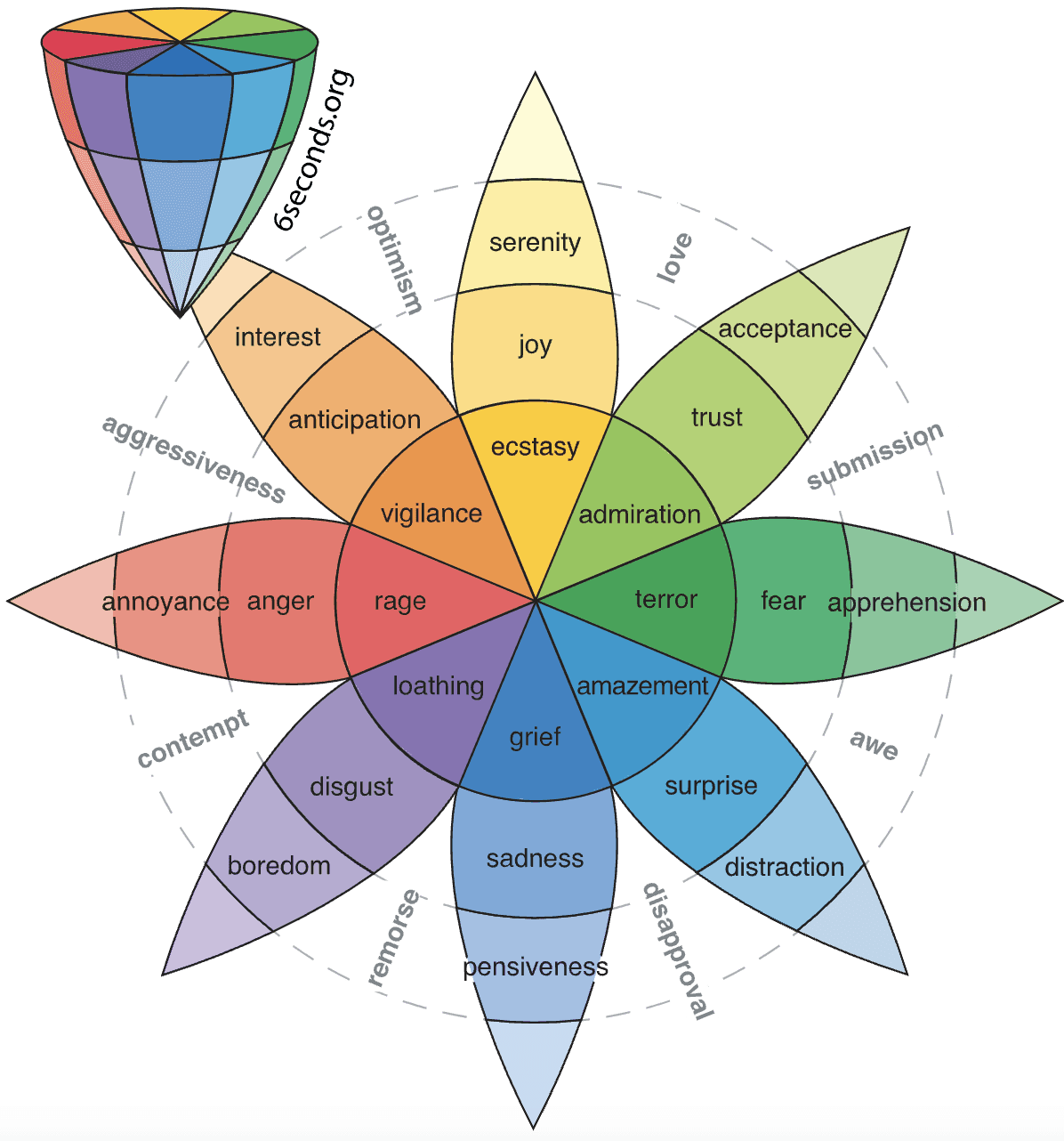
The emotional classes were determined using classifications from Plutchik's Wheel of Emotions.

The emotional classes were determined using classifications from Plutchik's Wheel of Emotions.

Plutchik's Wheel of Emotions organizes emotions into eight primary categories, illustrating their relationships and intensities. Using this model, we derived emotional classes: anger and sadness directly, love as a blend of joy and trust, and joy, surprise, and fear directly from their primary counterparts. This framework ensured a structured and psychologically grounded classification for the dataset.

View source
Emotion classes
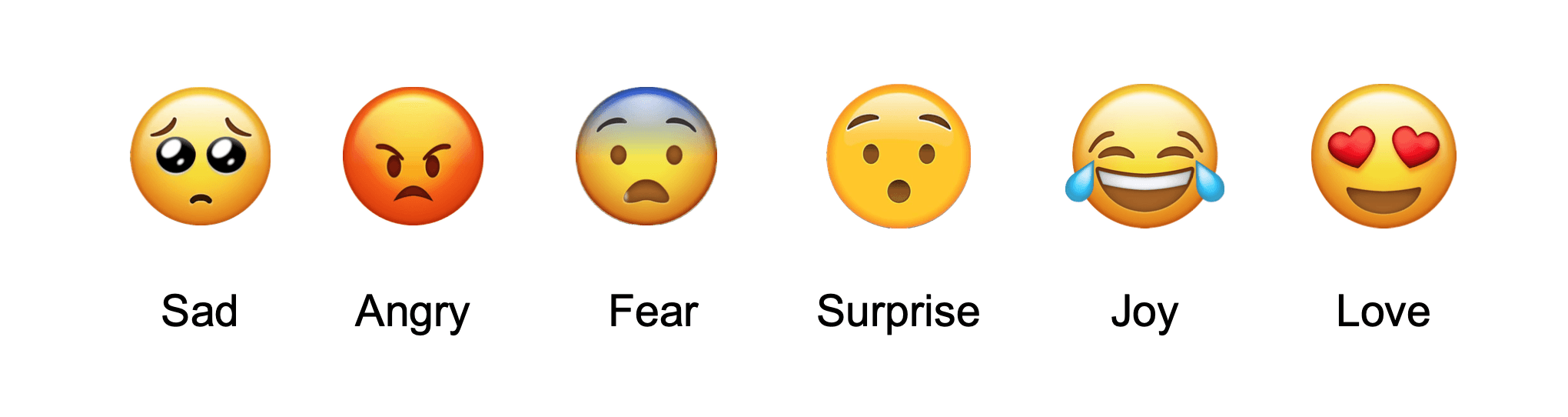
Let's explore the psychology of emoji use across platforms and identify sources for data extraction.

Let's explore the psychology of emoji use across platforms and identify sources for data extraction.

DATASET SOURCE

DATASET SOURCE

Which app has the most emoji usage ?

Which app has the most emoji usage ?

On the analysis of which social platform users use emojis most frequently in daily interactions. We planned to scrape publicly available data from X.com for processing and analysis.

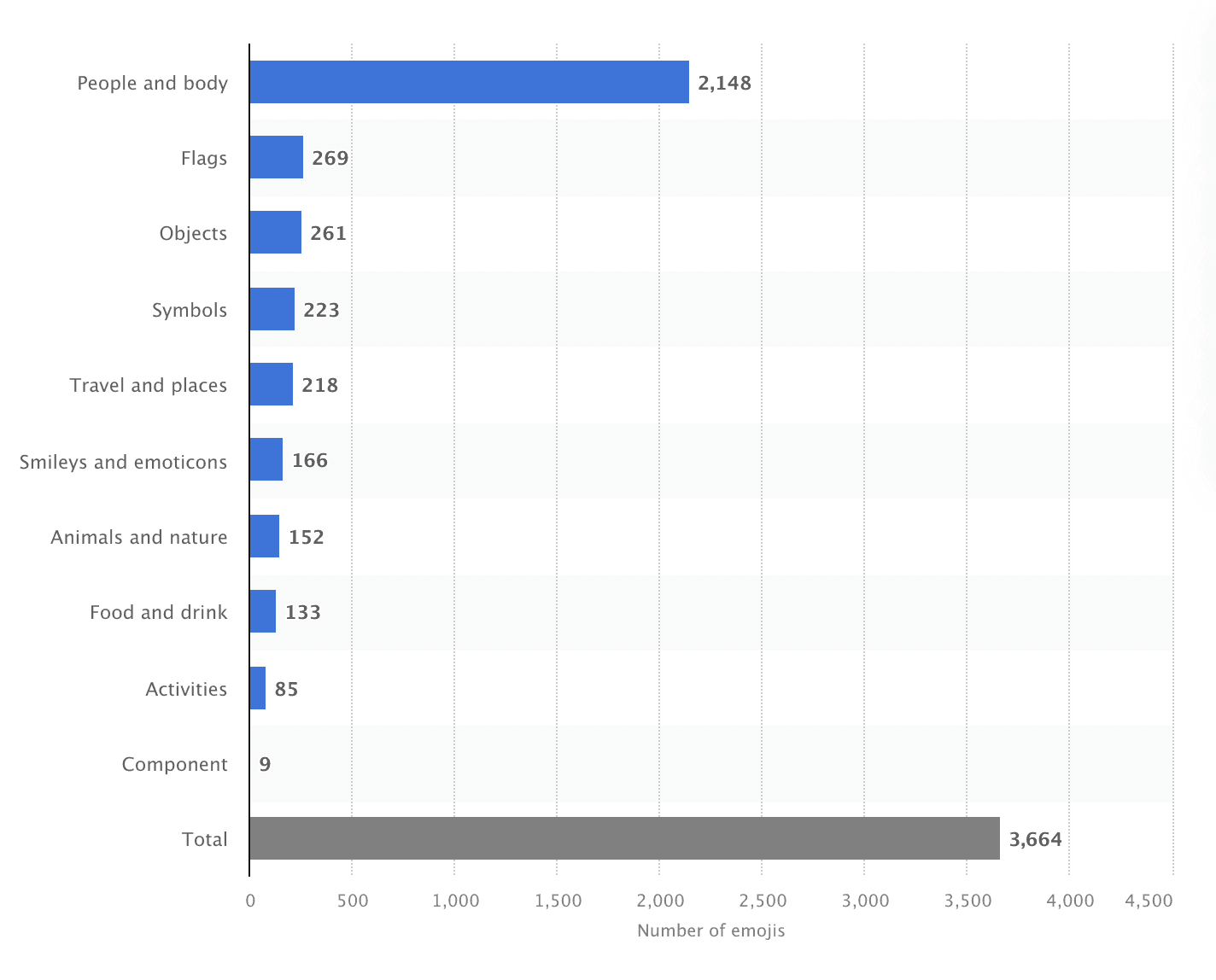
Number of available emoji characters as of September 2022, by category

Number of available emoji characters as of September 2022, by category

Based on the analysis of emoji usage categories from 2022 statistics, Twitter emerged as the primary source for raw data collection for this project.

3664

NO. OF EMOJIS

NO. OF EMOJIS

Twitter

SELECTED PLATFORM

SELECTED PLATFORM

06

EMOTION CLASSES

Activity Diagram

Activity Diagram

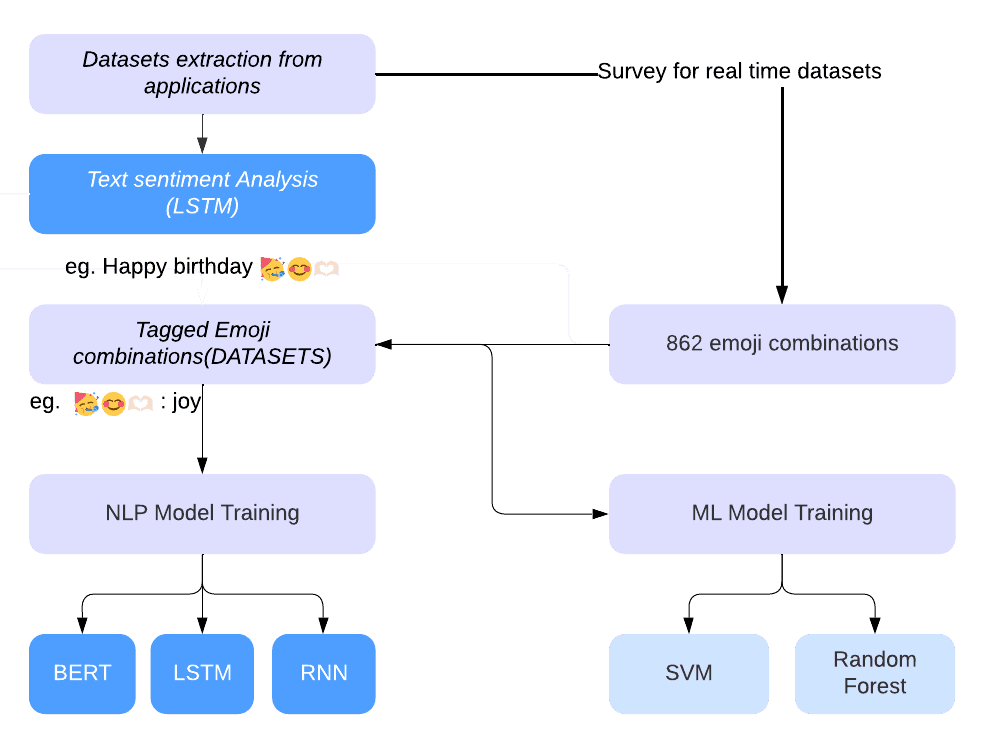
The activity diagram for this project outlines two stages of model development and a user survey to collect emoji combination datasets, which serve as the validation dataset.

The activity diagram for this project outlines two stages of model development and a user survey to collect emoji combination datasets, which serve as the validation dataset.

Apsirations-cover
Apsirations-cover
Apsirations-cover

User survey

User survey

A survey was conducted among several participants using Google form, resulting in the identification of the five most commonly used emoji combinations across six emotion classes.

A survey was conducted among several participants using Google form, resulting in the identification of the five most commonly used emoji combinations across six emotion classes.

USER SURVEY

Survey Results

Survey Results

Results

18-49

AGE GROUP

AGE GROUP

35

PARTICIPANTS

PARTICIPANTS

862

UNIQUE EMOJI SETS

Model Comparison

Model Comparison

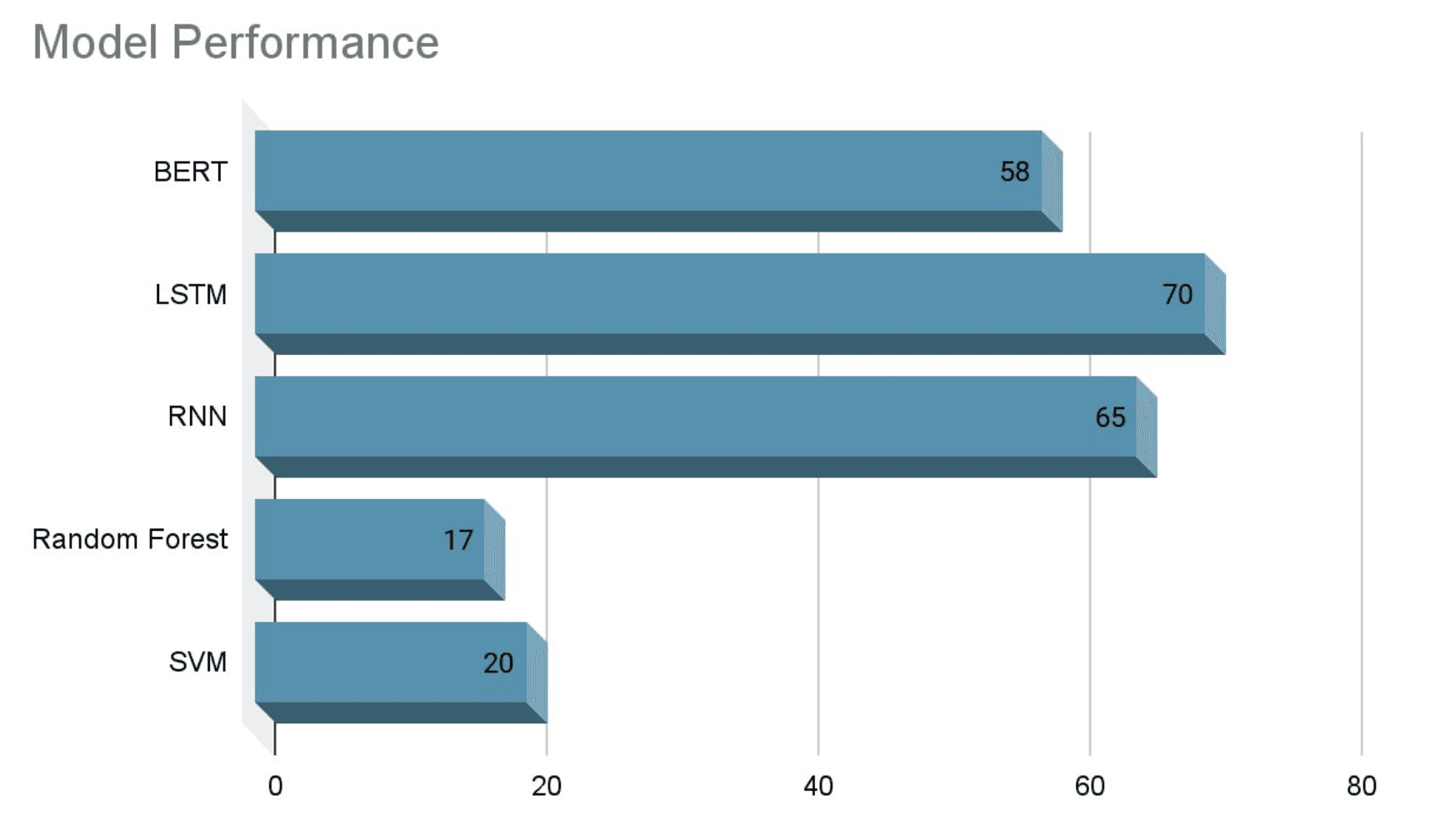
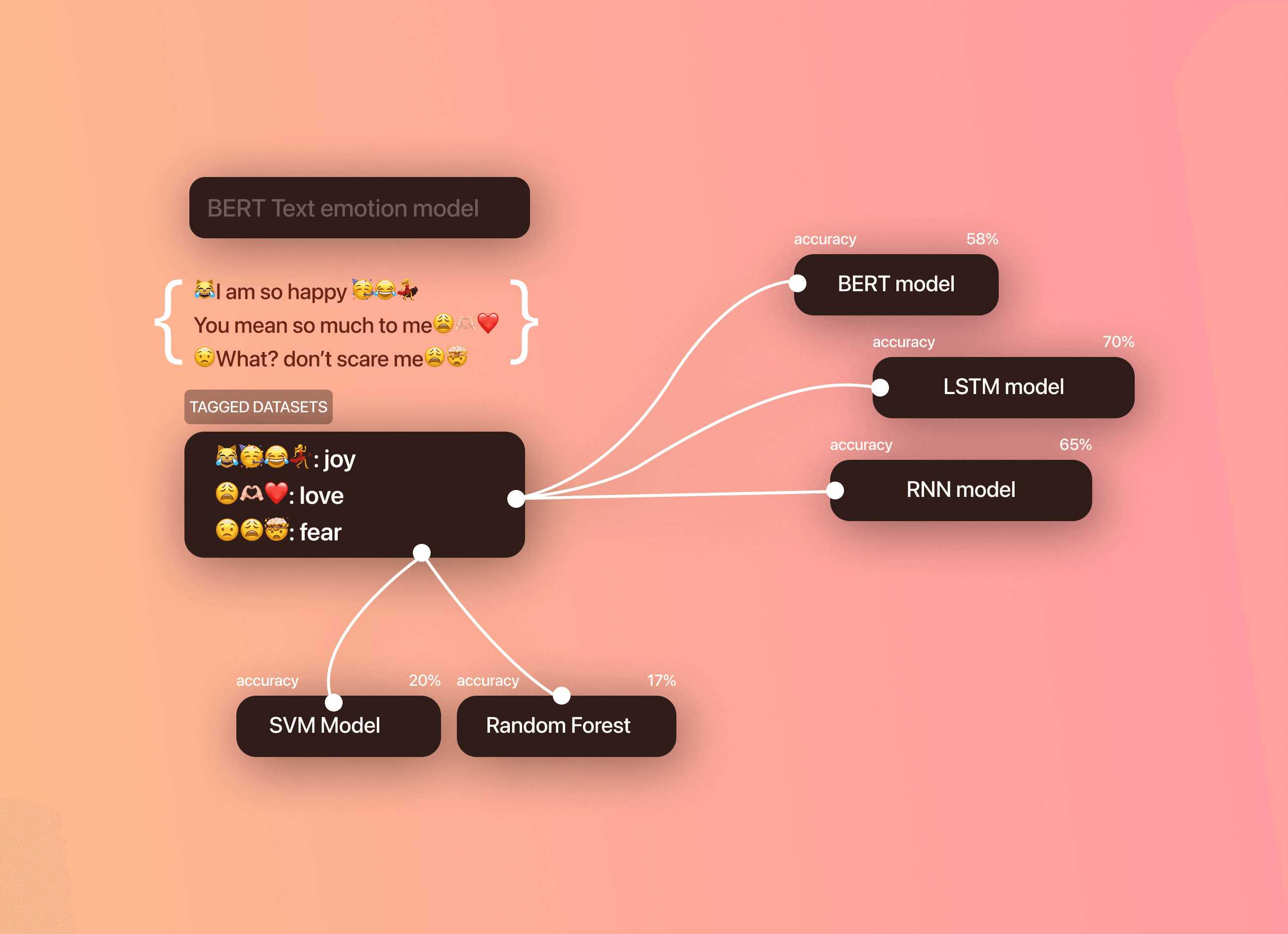
3 Natural language models and 2 machine learning models prediction accuracy were compared

3 Natural language models and 2 machine learning models prediction accuracy were compared

COMPARATIVE STUDY

NLP model outperforms ML models

NLP model outperforms ML models

NLP models capture intricate language patterns, including context and nuances, which are crucial for understanding sentiment.
55,783

TRAINING DATASETS

TRAINING DATASETS

05

DEVELOPED MODELS

DEVELOPED MODELS

06

EMOTION CLASSES

Graphical Representation

Graphical Representation

Results

Result

Following a comprehensive comparative study, the results were thoroughly analyzed, finalized, and subsequently presented to the Samsung team.

Following a comprehensive comparative study, the results were thoroughly analyzed, finalized, and subsequently presented to the Samsung team.

Our team was honored with the Certificate of Excellence in recognition of our impactful research study addressing the designated problem statement.

Project Takeways

Project Takeways

This project provided hands-on experience with real-time research methodologies and significantly enhanced my technical expertise in Artificial Intelligence and Machine Learning.

This project provided hands-on experience with real-time research methodologies and significantly enhanced my technical expertise in Artificial Intelligence and Machine Learning.

01

Research methods

During the data collection process, I conducted a user survey on emoji combination usage to create a validation dataset, which was utilized to evaluate and improve the accuracy of the trained models.

User survey

01

Research methods

During the data collection process, I conducted a user survey on emoji combination usage to create a validation dataset, which was utilized to evaluate and improve the accuracy of the trained models.

User survey

01

Research methods

During the data collection process, I conducted a user survey on emoji combination usage to create a validation dataset, which was utilized to evaluate and improve the accuracy of the trained models.

User survey

02

Technical skills

All AI and ML models were trained using Google Colab's GPU units, leveraging Python as the programming language.

Proficiency in Python

02

Technical skills

All AI and ML models were trained using Google Colab's GPU units, leveraging Python as the programming language.

Proficiency in Python

02

Technical skills

All AI and ML models were trained using Google Colab's GPU units, leveraging Python as the programming language.

Proficiency in Python

03

Comparative study

A comparative analysis was conducted to evaluate the performance and robustness of the developed models.

Proficiency in MS Power point

03

Comparative study

A comparative analysis was conducted to evaluate the performance and robustness of the developed models.

Proficiency in MS Power point

03

Comparative study

A comparative analysis was conducted to evaluate the performance and robustness of the developed models.

Proficiency in MS Power point

THANK

YOU.

THANK

YOU.